Why Children Imitate Everything Parents Do: Lessons From a New York (USA) Home
Understanding Imitation in Childhood Development
Parents often wonder: do kids actually learn from imitation? The answer, backed by research and real-world experience, is a resounding yes. Imitation is one of the earliest and most powerful ways young children learn behaviours, habits, and even social norms. In our New York (USA) home, we witnessed this daily — sometimes in moments of joy, and other times in behaviours we had to gently redirect.
Experts explain that imitation is foundational for cognitive and social development. From infancy, children observe and mirror the actions of those around them, especially parents and primary caregivers. This process is not only about copying movements but also about internalising values and expectations.
How Early Imitation Begins
From the moment they open their eyes, babies begin gathering information from their environment. Imitation tends to emerge naturally as children seek to understand the world and make sense of human interaction. In our experience in New York (USA), we found that simple routines, like greeting family members or mealtimes, became valuable learning moments for our child.
Significantly, a small religious act done consistently — whether cultural or spiritual — can become part of a child’s internalised behaviour through repeated exposure. Research also shows that children instinctively mimic expressive behaviours before they can verbally communicate.
The Role of Parents in Modelling Behaviour
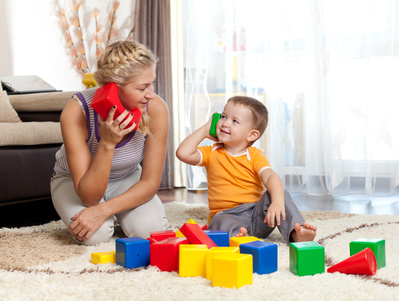
Children are like mirrors — they reflect what they see. As parents, our actions shape our child’s actions, whether we intend it or not. This phenomenon explains why children imitate everything parents do, from positive habits like kindness to less desirable behaviours such as impatience.
For example, when we consistently engaged in household routines — including play, cleaning up toys, and greetings during religious time — our child began to join in spontaneously. We observed that if you want your child to learn a practice, you must first practise it yourself in their presence.
Be Consistent, Not Forceful
Another key lesson from our New York (USA) home was that consistency matters more than force. When our baby resisted a new action — such as joining in a routine — we offered gentle encouragement and then let him explore freely. This helped him associate the activity with positive feelings rather than pressure.
Psychological research underscores that children are more receptive to learning through voluntary engagement than through coercion.
Balancing Imitation With Guidance
While imitation is valuable, not all behaviours should be reinforced. For example, at around three months old, our child began making a particular sound he learned from playful reactions. Although adorable, we realised it could become a long-term habit we did not intend to encourage.
Here’s how we managed this:
Stop Reinforcing Unwanted Behaviours
By gently stopping the playful attention to that behaviour and avoiding laughter or exaggerated responses, the behaviour gradually reduced. Research shows that children are highly motivated by attention; thus, controlling reactions can reduce unwanted imitation.
Use Clear Communication
Even at an early age, children begin to understand simple explanations. We explained calmly why certain behaviours were not encouraged. Over time, this communication helped our child differentiate between desirable and undesirable actions.
Redirect Attention
Instead of highlighting unwanted behaviour, we provided positive alternatives — engaging activities that naturally shifted focus.
How Much Time Does a Child Take to Learn?
Every child is unique, and the time it takes for a child to learn something varies from one child to another. Some habits are picked up quickly; others require repetition and patience. Experts agree that development pace differs by temperament, exposure, and consistency.
Final Thoughts From Our New York (USA) Home
Children truly are clever and perceptive. They absorb not only actions but emotions, reactions, and unspoken cues. As parents, being mindful of what we model has a profound impact on their development.
At Parenting Through Pages, we believe that understanding imitation can help parents become more intentional in their parenting journey. By combining research with real-life experience, you can help your child develop positive habits and behaviours that last a lifetime.