
#7: What Discipline Really Means When You Stop Using Rewards and Punishments
Introduction
For a long time, I thought discipline meant consequences.
Not in a harsh way—just the standard, modern-parent version. Logical consequences. Calm voices. Systems that “worked.” If my child didn’t listen, there had to be something that followed. Otherwise, what was I teaching?
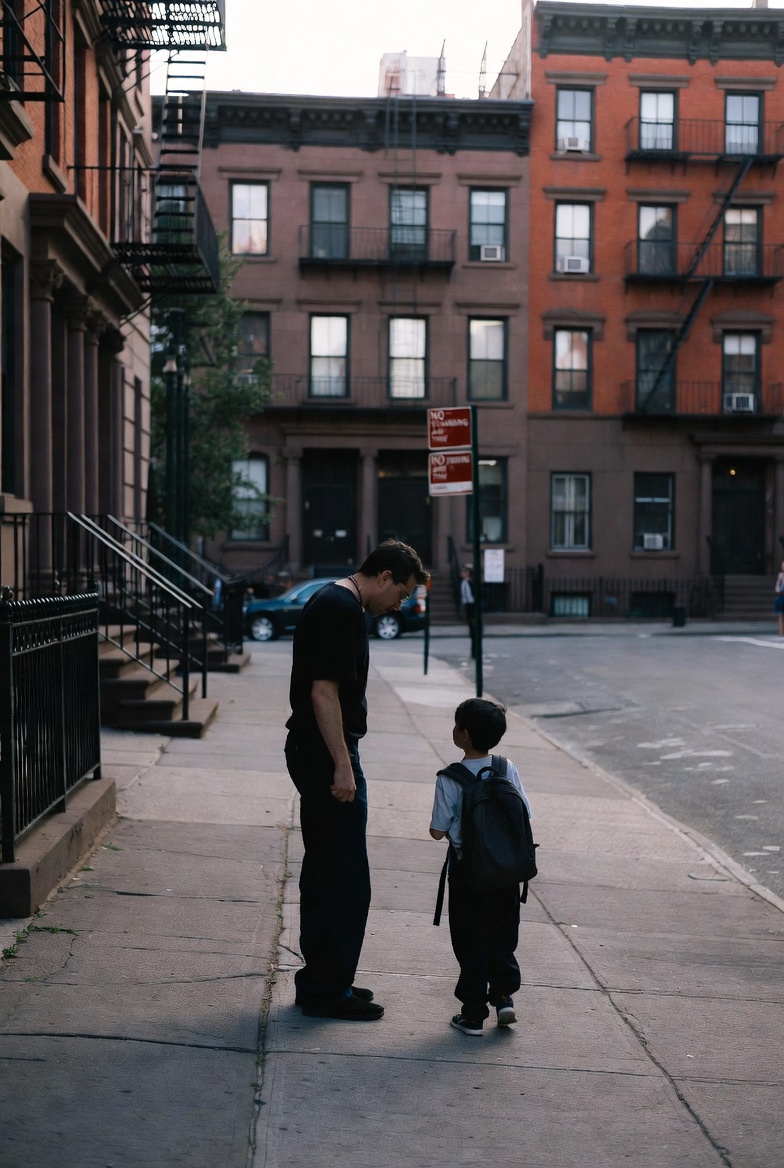
This question came to a head one rushed morning in our New York apartment. We were late. Shoes weren’t on. Voices were rising. And I felt that familiar urge to do something—take something away, threaten a consequence, regain control.
Instead, I froze.
Because if I wasn’t using rewards or punishments anymore…
what exactly was discipline supposed to be?
Punished by Rewards doesn’t just critique rewards—it quietly dismantles our entire understanding of discipline. And what replaces it isn’t permissiveness. It’s something far harder, far deeper, and far more relational.
Core Content: Discipline Is Not Control—It’s Teaching
Alfie Kohn challenges a deeply rooted assumption: that discipline exists to make children comply.
In reality, discipline comes from the same root as disciple—to teach, to guide, to help someone grow. When discipline is focused on control, children learn how to avoid consequences. When it’s focused on learning, children learn how to think.
Rewards and punishments both rely on external regulation. They ask:
How do I get my child to stop?
How do I make this behavior go away?
But meaningful discipline asks a different set of questions:
What is my child struggling with right now?
What skill is missing?
What does this moment teach them about relationships and power?
In American parenting culture—especially in cities like New York where time pressure is constant—discipline often becomes reactive. We’re exhausted. Overstimulated. Late. And control feels like relief.
But control teaches children to behave only under surveillance.
Real discipline teaches children how to:
Regulate emotions
Repair mistakes
Consider impact
Make thoughtful choices over time
Those skills don’t develop through fear of consequences. They develop through coaching, modeling, and connection.
Why Consequences Feel Necessary (and Why They Often Miss the Mark)
Many parents worry that without consequences, children won’t learn accountability. This fear is understandable—and deeply cultural.
We were raised in systems where consequences equaled responsibility. But often, consequences teach children only one lesson: Don’t get caught.
Kohn points out that punishment—even mild, “logical” punishment—tends to:
Reduce empathy
Encourage secrecy
Shift focus away from problem-solving
Damage trust
When children fear consequences, honesty becomes risky. Reflection shuts down. The brain moves into self-protection mode.
And yet, children do need guidance. They need boundaries. They need adults to step in.
The difference is this:
Discipline that teaches stays connected. Discipline that controls withdraws connection.
Personal Story: The Morning I Stopped Threatening Consequences
That rushed New York morning? It didn’t end neatly.
My child still resisted. I still felt the pressure of the clock. But instead of threatening, I said something new—something uncomfortable.
“This morning is hard. I’m feeling stressed, and I think you are too. We still need to leave. Let’s figure out what’s making this stuck.”
It wasn’t magic. Shoes didn’t appear instantly. But the energy shifted. We talked. My child admitted they were anxious about a test. That anxiety had nowhere to go—so it turned into resistance.
No consequence would have fixed that.
We left late that day. And yes, that was inconvenient. But something else happened too: my child felt understood, not managed.
Living in New York teaches kids early that speed matters more than emotion. That morning reminded me that discipline sometimes means choosing connection over punctuality—even when it’s hard.
What Discipline Looks Like Without Rewards or Punishments
When you remove rewards and punishments, discipline becomes quieter—but deeper.
It looks like:
1. Clear expectations without threats
Children need to know what’s expected—but not what they’ll lose if they fail.
“We take care of our things.”
“We speak respectfully, even when we’re upset.”
These are values, not conditions.
2. Intervention without humiliation
Stopping harmful behavior doesn’t require shame.
“I won’t let you hit. I’m here to help.”
Boundaries can be firm and compassionate at the same time.
3. Repair instead of payback
Instead of “What’s the consequence?” ask:
“How can we fix this?”
“What do you think would help make it right?”
This builds accountability without fear.
4. Teaching skills, not enforcing silence
Meltdowns often signal missing skills—not defiance.
Children may need help with:
Transitioning
Emotional language
Problem-solving
Flexibility
Punishment never teaches those.
5. Reflection after calm—not during chaos
Discipline conversations work best after emotions settle.
In the heat of the moment, children can’t learn. Later, they can.
The Hardest Part: Regulating Ourselves First
Here’s the truth most parenting books avoid:
Discipline without rewards and punishments requires enormous adult self-regulation.
It asks us to:
Pause instead of react
Tolerate messiness
Let go of immediate compliance
Trust long-term growth
In a city like New York—where parenting often happens in public, under scrutiny—this is especially challenging. There’s pressure to look “in control.” To keep kids quiet. To move fast.
But control isn’t the same as leadership.
Children learn discipline by watching how we handle frustration, power, and repair. When we model calm problem-solving instead of dominance, they absorb that deeply—even if progress looks slow on the outside.
Practical Takeaways: Practicing Real Discipline at Home
If you’re wondering where to start, begin here:
Shift your internal goal
From ending the behavior to teaching the skill.Narrate expectations calmly and early
Before emotions escalate.Intervene physically when needed—without anger
Safety comes first. Explanation can wait.Invite children into solutions
Ownership builds responsibility.Repair ruptures openly
Apologize when you overreact. That’s discipline too.
You don’t need perfection. You need presence.
Conclusion: Discipline as Guidance, Not Force
When rewards and punishments fall away, discipline reveals its true purpose: to guide children toward self-understanding, empathy, and responsibility.
It’s slower. It’s quieter. And it works in ways that don’t always show up immediately—but last far longer.
In the next blog, we’ll explore a question many parents struggle with once discipline becomes relational instead of transactional:
How do we set firm boundaries without controlling our children—or ourselves?