
Falak al-Buruj: Twelve Signs, Twelve Spiritual Qualities for Children and Parents
Introduction: Falak al-Buruj as a Guide for the Home
Falak al-Buruj is often misunderstood as a system meant to predict fate. However, as beautifully explained in the waʿz mubarak of 3rd Muharram al-Haraam by Syedna al-Dai al-Ajal Mufaddal Saifuddin TUS, the buruj are not about control over destiny. Above all stars stands Allah Taʿala, and above their influence shine the spiritual stars—His Awliya AS. The true value of the twelve buruj lies in the noble qualities they represent and how these qualities can shape our homes, our children, and our hearts.
This blog is written especially for parents and children, in a simple, emotional, and practical tone. Each burj is presented as a character lesson, supported by examples from the lives of the Anbiya, Aimma AS, and Awliya AS, and gently linked to everyday parenting. Think of this not as astrology, but as tarbiyat through the language of the stars—so that every Mumin home becomes a strong, protected tower of faith.
Read more on.
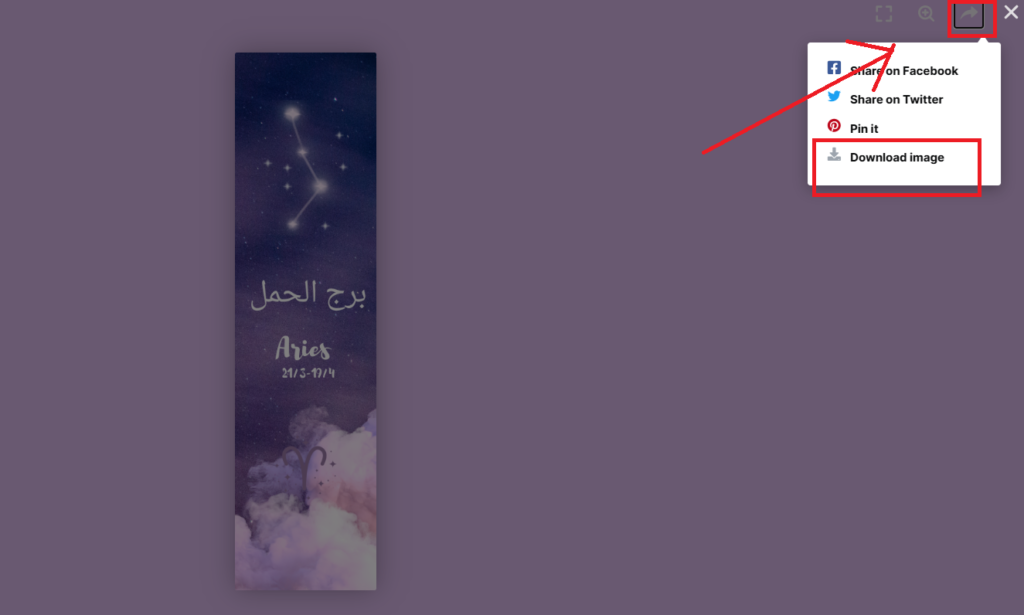
Haml (Aries): Learning Patience at Home
Haml teaches patience, tolerance, and calm strength. In the waʿz, Imam Muʿizz AS showed the highest level of forbearance by listening to every person who approached him, never showing irritation. This teaches parents that patience is not weakness—it is protection. When children feel heard, they feel secure.
In daily life, patience means allowing children to ask questions, make mistakes, and learn without fear. Harsh reactions may bring silence, but patience builds confidence. Children raised with patience grow into adults who are calm, respectful, and emotionally steady.
For children, Haml teaches waiting their turn, controlling anger, and understanding others’ feelings. These small lessons shape lifelong behaviour.
A Haml-inspired home is peaceful. Voices are gentle, corrections are kind, and love is always felt. Such a home becomes a safe place where children grow without fear and parents lead with mercy.
Thawr (Taurus): The Beauty of Hard Work
Thawr represents effort, consistency, and dedication. Syedna Abdeali Saifuddin RA taught students the dignity of hard work by combining learning with physical tasks. This shows that effort itself is a form of education.
Parents today face the challenge of screens and comfort. Thawr reminds us that children need responsibility to grow. Simple tasks like cleaning, helping in the kitchen, or organising schoolwork teach discipline and independence.
For children, Thawr means trying again even when something feels difficult. It teaches that success does not come instantly but through steady effort.
A Thawr home values effort more than results. Children hear, “You tried your best,” and learn self-respect. Such homes raise dependable and confident individuals.
Jawzaa (Gemini): Balance in Words and Actions
Jawzaa teaches balance and adaptability. Imam Hasan AS showed that wisdom lies in knowing when to be firm and when to be generous. Life requires both.
Parents must balance rules with understanding. Too much strictness creates fear, while too much leniency creates confusion. Jawzaa teaches explaining rules with love so children understand purpose, not just punishment.
Children learn that emotions can be managed and choices can change based on situations. They learn empathy alongside responsibility.
A Jawzaa home feels fair and thoughtful. Children feel guided, not controlled, and grow into emotionally intelligent adults.
Sarataan (Cancer): Loyalty That Never Fades
Sarataan represents loyalty and commitment. Imam Husain AS fulfilled a promise made in childhood, showing that loyalty lasts a lifetime.
Parents teach loyalty by keeping promises, respecting family ties, and standing by loved ones in hardship. Children observe actions more than words.
For children, Sarataan teaches trustworthiness—being there for friends, respecting family, and staying true to values.
A Sarataan home stands united. Even during difficulty, love and commitment remain strong, creating emotional security.
Asad (Leo): Courage Through Self-Control
Asad symbolises bravery guided by discipline. Amirul Mumineen AS showed that true courage is controlling anger, not giving in to it.
Parents should teach children that strength does not mean shouting or hurting. It means pausing, thinking, and choosing what is right.
Children learn confidence without arrogance and bravery without aggression.
An Asad home is strong yet gentle, raising children who stand firm in values and calm in behaviour.
Sunbula (Virgo): Gratitude Is True Wealth
Sunbula teaches awareness, analysis, and gratitude. True prosperity lies in recognising Allah’s blessings and remembering Imam Husain AS in all states.
Parents model gratitude by saying Alhamdulillah often and appreciating simple blessings.
Children who learn gratitude are happier and less anxious.
A Sunbula home is content, thankful, and spiritually rich.
Mizaan (Libra): Fairness Creates Peace
Mizaan symbolises justice and balance. The waʿz teaches that fairness includes contentment and freedom from jealousy.
Parents should avoid comparisons between children. Fair treatment nurtures self-worth.
Children learn respect, empathy, and appreciation.
A Mizaan home is calm, respectful, and emotionally balanced.
Aqrab (Scorpio): Planning With Trust in Allah
ʿAqrab teaches foresight and resilience. Imam Muʿizz AS showed that planning must be paired with tawakkul.
Parents can help children plan studies and routines calmly.
Children learn preparation without fear.
An ʿAqrab home is organised, hopeful, and trusting.
Qaws (Sagittarius): Focus on What Truly Matters
Qaws represents focus and direction. Salah trains attention and discipline.
Parents should limit distractions and encourage mindful habits.
Children learn to focus on goals and values.
A Qaws home nurtures clarity and purpose.
Jady (Capricorn): Choosing Peace Always
Jady teaches reconciliation and sensitivity. Imam Ali Zain al-Abideen AS showed how gentle words heal hearts.
Parents should avoid conflict before children.
Children raised in peace become emotionally secure.
A Jady home protects harmony.
Dalw (Aquarius): Influence Through Kindness
Dalw symbolises mercy and positive influence. Imam Husain AS changed destinies through compassion.
Parents influence children through words and example.
Children learn kindness naturally.
A Dalw home spreads goodness.
Hoot (Pisces): Quiet Strength and Trust
Hoot teaches discretion and inner strength. Protecting others’ dignity builds trust.
Parents should avoid gossip at home.
Children learn confidentiality and respect.
A Hoot home is safe and trustworthy.
Conclusion
The twelve buruj are lessons in character, not fate. When lived daily, they transform homes into towers of faith, raising children rooted in iman, compassion, and strength.